



API-First Development Strategy
 Robert Kim / 5 min
API-first development has become a fundamental principle in modern software architecture, emphasizing the design and documentation of application programming interfaces before implementing the actual functionality. This approach ensures that services can communicate effectively, supports multiple client applications, and facilitates integration with third-party systems. The 2025 development landscape shows increased adoption of GraphQL alongside traditional REST APIs, providing flexible data querying capabilities.
API Design Principles
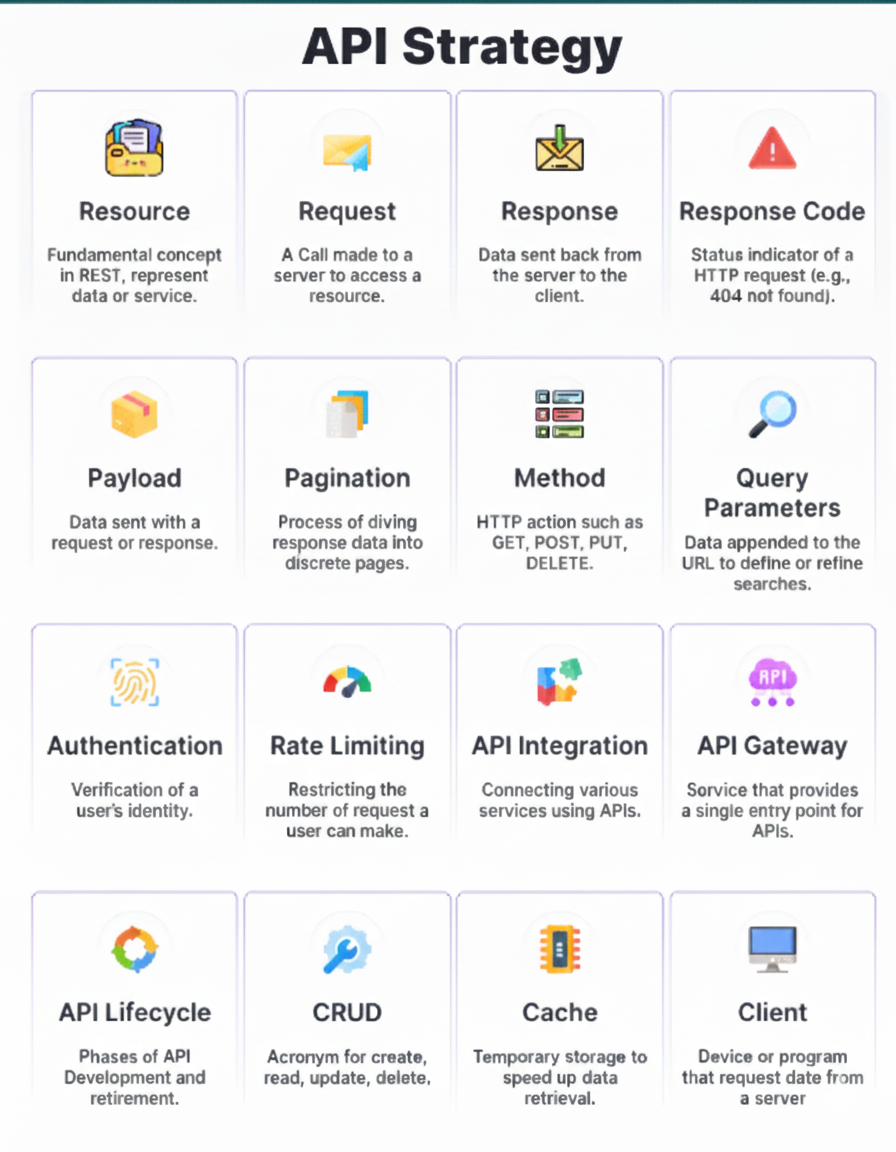
Effective API design follows principles of simplicity, consistency, and predictability. Well-designed APIs provide clear endpoints, standardized error handling, and comprehensive documentation that enables developers to integrate with the system efficiently. The focus has shifted from just providing functionality to creating developer-friendly experiences that reduce integration time.
Versioning strategies ensure backward compatibility while allowing for API evolution. Proper authentication and rate limiting mechanisms protect APIs from abuse while providing secure access to authorized clients. These considerations are crucial for building reliable, scalable API ecosystems.
GraphQL Adoption
GraphQL has gained significant traction in 2025 as an alternative to traditional REST APIs, offering clients the ability to request exactly the data they need. This flexibility reduces over-fetching and under-fetching of data, improving performance and reducing bandwidth usage. The technology also provides strong type systems and introspection capabilities that enhance developer experience.
API management platforms provide tools for monitoring, analytics, and security that are essential for maintaining production APIs. These platforms help teams track usage patterns, identify performance bottlenecks, and enforce security policies across their API ecosystem.




Related posts
Software Applications Development
Software Applications Development
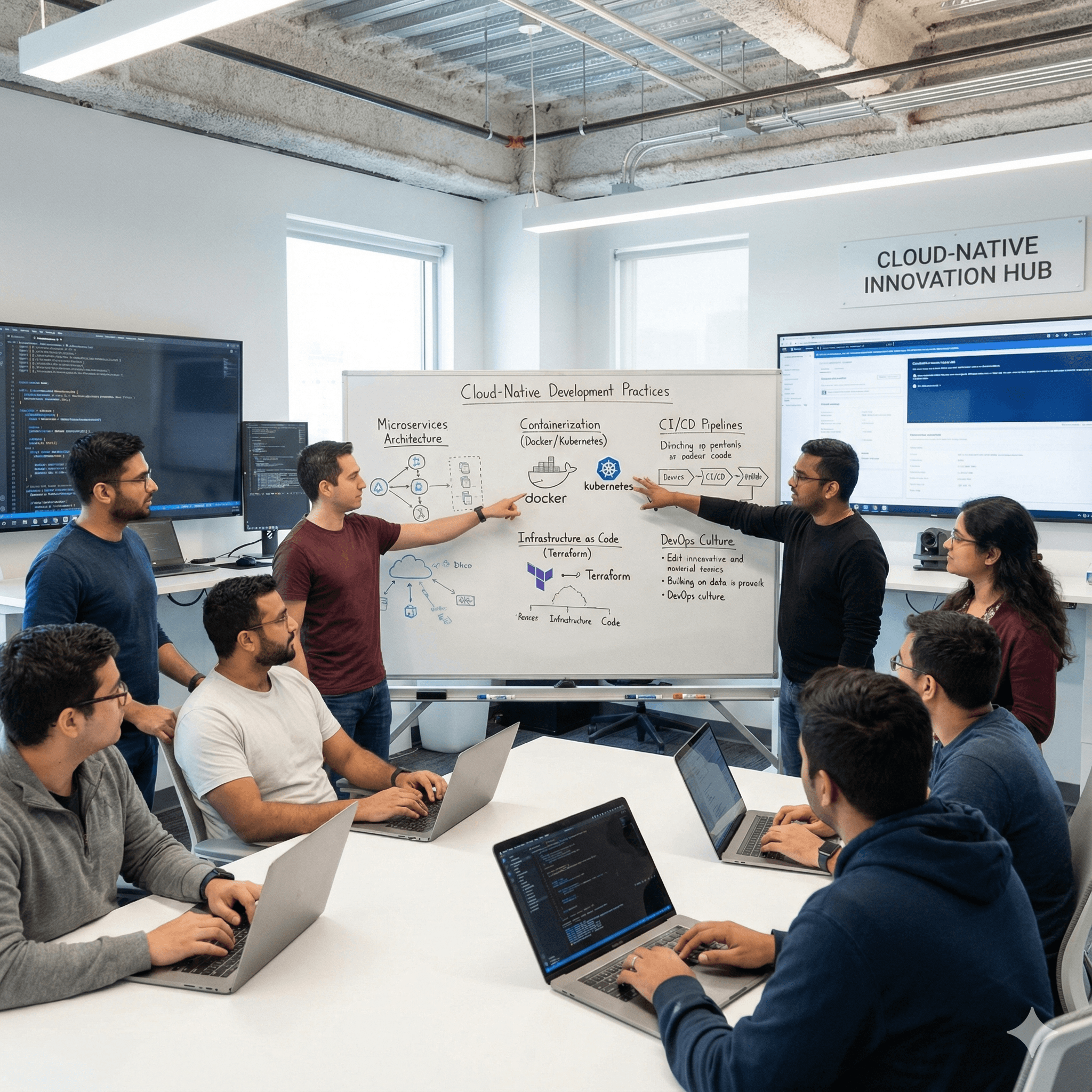
Cloud-Native Development Practices
Software Applications Development